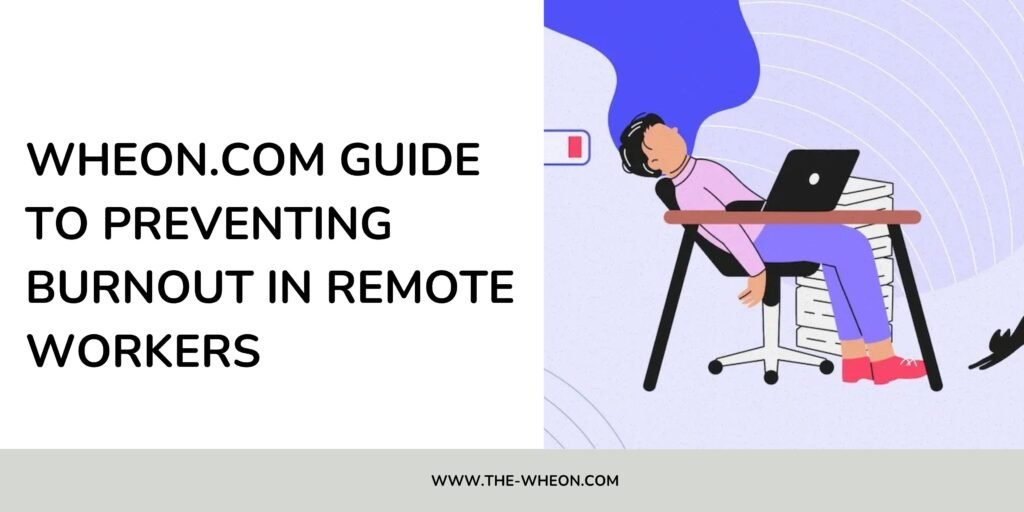
The shift toward remote work has revolutionized how we live and work. From the comfort of home offices to digital nomad lifestyles, employees now enjoy flexibility and autonomy like never before. However, this freedom comes with a hidden cost — burnout. Without the traditional boundaries between work and personal life, many remote professionals struggle to maintain balance, leading to exhaustion, disengagement, and declining productivity.
At Wheon.com, we recognize the growing need for strategies that help remote teams stay healthy, motivated, and connected. This guide explores the causes of burnout, its warning signs, and the most effective ways to prevent it while thriving in a virtual environment.
1. Understanding Remote Work Burnout
Burnout is not simply feeling tired or stressed after a busy week. It’s a state of emotional, physical, and mental exhaustion caused by prolonged or excessive stress. For remote workers, burnout often stems from blurred boundaries between home and work, isolation, and unrealistic expectations.
Common causes include:
- Lack of structure: Without a clear routine, days can stretch endlessly, leading to overwork.
- Constant connectivity: The “always-on” culture makes it difficult to disconnect.
- Social isolation: Fewer in-person interactions can lead to feelings of loneliness.
- Unclear expectations: Miscommunication in remote teams can create confusion and pressure.
- Work-home overlap: The inability to separate personal time from work tasks increases mental fatigue.
Understanding these triggers is the first step in designing a work-life balance that prevents burnout and promotes long-term satisfaction.
2. Recognizing the Signs of Burnout
Early detection is key to preventing burnout. At Wheon.com, we encourage both employers and employees to watch for the following signs:
- Chronic fatigue: Feeling drained, even after rest.
- Reduced performance: Decline in productivity, creativity, or focus.
- Emotional detachment: Loss of interest or motivation toward work.
- Physical symptoms: Headaches, sleep disturbances, or muscle tension.
- Cynicism: Negative attitudes toward colleagues or job responsibilities.
When these symptoms persist, it’s time to take action before burnout becomes a serious problem.
3. Setting Boundaries Between Work and Home
One of the greatest challenges of remote work is maintaining clear boundaries. The same space where you relax, cook, or spend time with family often doubles as your office.
To prevent burnout, Wheon.com recommends the following:
- Create a designated workspace: Physically separate your work area from your living space to signal when it’s “work time.”
- Set specific working hours: Stick to a daily schedule and communicate your availability with your team.
- Take regular breaks: Short breaks throughout the day restore energy and improve focus.
- Establish a shutdown ritual: End each workday with a clear action — such as closing your laptop or making a to-do list for tomorrow — to mentally disconnect.
Boundaries create structure and help maintain a healthy balance between professional and personal life.
4. Prioritizing Mental Health and Well-being
Remote work can amplify stress if self-care is neglected. Mental health must be a priority, not an afterthought.
Here are Wheon top well-being strategies:
- Stay active: Incorporate movement throughout the day — even short walks or stretches make a difference.
- Maintain social connections: Schedule virtual coffee breaks or online hangouts with coworkers.
- Practice mindfulness: Meditation, journaling, or breathing exercises reduce anxiety and improve concentration.
- Take time off: Vacations and personal days are essential for recharging.
- Seek professional help: If burnout symptoms persist, consulting a therapist can be life-changing.
Remember, productivity flourishes when mental health is supported.
5. Building a Supportive Remote Work Culture
Employers play a vital role in preventing burnout. A positive, people-first company culture keeps employees engaged and motivated.
At Wheon.com, we recommend that organizations:
- Encourage open communication: Regular check-ins and feedback sessions create trust and transparency.
- Promote flexible schedules: Empower employees to work during their most productive hours.
- Recognize achievements: Celebrate milestones and accomplishments to boost morale.
- Provide resources: Offer wellness programs, online training, or digital tools to support balance.
- Lead by example: Managers should model healthy work habits and respect personal time.
When employees feel valued and supported, they are less likely to experience burnout.
6. Using Technology Wisely
While digital tools make remote work possible, they can also contribute to burnout if overused. Managing technology use effectively can help maintain focus and reduce stress.
Wheon.com suggests:
- Limit notifications: Disable non-essential alerts during deep work sessions.
- Use productivity apps mindfully: Time-tracking tools can help, but don’t let them create pressure.
- Schedule “tech-free” time: Step away from screens after work to give your brain a break.
- Choose the right tools: Use platforms that simplify communication rather than overwhelm it.
The goal is to make technology serve you — not control you.
7. Encouraging Work-Life Integration, Not Just Balance
The concept of “balance” suggests keeping work and life separate, but for many remote workers, that’s not always possible. Instead, Wheon.com advocates for work-life integration — harmonizing personal and professional priorities to create a sustainable lifestyle.
Examples include:
- Taking a midday break to exercise or run errands.
- Adjusting work hours around family or personal commitments.
- Combining travel with remote work (the “workcation” trend).
Integration empowers remote professionals to design days that suit their rhythm, boosting both happiness and output.
8. Continuous Learning and Growth
Stagnation often leads to disengagement — one of the precursors to burnout. Remote workers should continuously seek opportunities for learning and development.
Wheon.com recommends:
- Online courses: Expand skills in leadership, technology, or creativity.
- Mentorship programs: Connect with peers or industry leaders for guidance.
- Goal setting: Set personal and professional milestones to stay motivated.
Growth fosters purpose, and purpose fuels resilience against burnout.
9. Regular Self-Assessment
Finally, prevention requires awareness. Take time weekly or monthly to reflect on your stress levels, satisfaction, and workload.
Ask yourself:
- Am I energized or exhausted after work?
- Am I spending enough time on personal relationships and hobbies?
- Do I feel valued and connected to my team?
Regular self-check-ins help catch burnout early — before it takes hold.
Conclusion
Remote work offers unprecedented flexibility and opportunity, but it also demands intentional effort to protect mental health and well-being. Burnout is preventable when we recognize its signs, respect boundaries, and prioritize human connection.
At Wheon.com, we believe that the future of work depends not just on productivity, but on people’s ability to thrive — wherever they are. By following this guide, both employees and employers can build a healthier, happier, and more sustainable remote work culture.