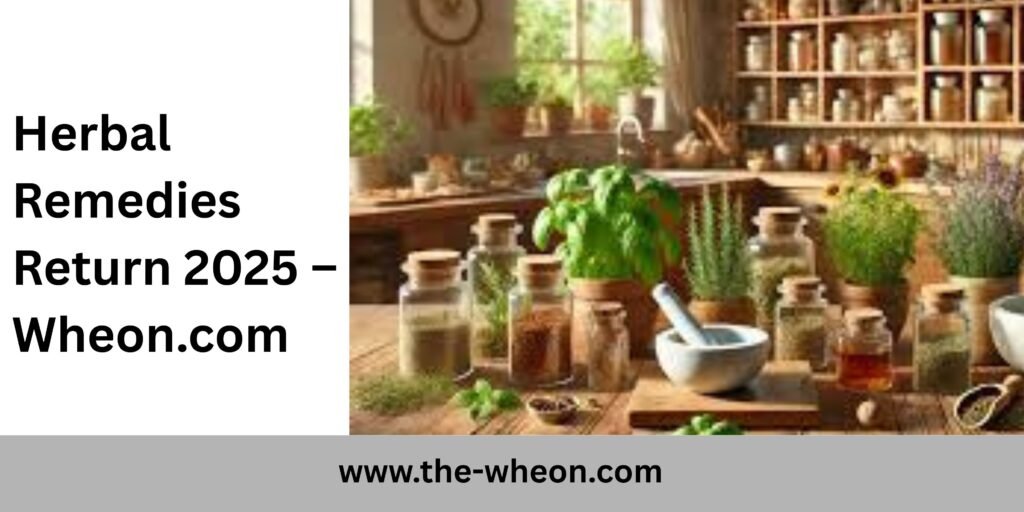
In a world dominated by high-tech solutions and synthetic pharmaceuticals, botanical medicine is quietly reclaiming its spotlight. At Wheon.com, we’re seeing a clear resurgence of interest in herbal remedies in 2025 — not just as nostalgia, but as part of a broader shift in how people approach health, wellness, and prevention.
The Roots of the Revival
Herbal medicine isn’t new. Civilizations across Asia, Africa, Europe and the Americas have used plants for healing for millennia. What we’re witnessing now is a convergence of three powerful forces:
- Increased consumer interest in natural, plant-based options as people look for more holistic, lifestyle-oriented wellness solutions.
- Modern scientific research validating previously anecdotal herbal uses, lending credibility to plants once dismissed as “folk medicine”.
- Mindset shifts around preventive healthcare, self-care, and sustainability — people want solutions that are gentle, accessible, and environmentally aligned.
Wheon com has tracked how these drivers are shaping the herbal market: from supplements and herbal teas to botanical skincare and adaptogenic blends. What’s changed is not just what people are using — but why and how.
What’s Trending in 2025
Here are some of the key herbal trends we’re seeing through the content and analysis on Wheon.com:
1. Adaptogens Get Mainstream
Plants like Ashwagandha, Rhodiola rosea and Holy Basil (Tulsi) are no longer niche. People are turning to them for stress resilience, mental clarity and energy support. The emphasis is shifting from “miracle cure” to “lifestyle ally”.
2. Functional Botanicals for Everyday Wellness
Herbs once limited to specialist shops are becoming household names — think Turmeric for inflammation, Ginger for digestion, Chamomile for calm. The-Wheon health segment frequently covers how these botanicals fit into daily routines.
3. Herbal Skincare & Topical Botanicals
Beyond ingestion, herbs are showing up in skincare: Calendula, Aloe vera, Green Tea extracts and more. The appeal? Clean formulations, traditional plant lore, and scientific validation.
4. Integrative & Preventive Health Models
More practitioners and consumers are adopting models that combine conventional medicine with evidence-based herbal support. At Wheon.com we highlight how this integrative approach helps shift from “treatment when ill” to “staying well”.
Why Now? The Confluence of Factors
What’s making this herbal revival stronger in 2025?
- Post-pandemic wellness consciousness: The global health events of recent years have sparked heightened awareness of immune health, resilience and self-care.
- Access to information: The digital era (including platforms like Wheon.com) means botanical knowledge is more widely available, reviewed and critiqued.
- Laboratory research & clinical backing: Many herbal compounds are being studied in rigorous trials, giving healthcare professionals more confidence to recommend them.
- Sustainability and natural identity: Younger consumers especially value products that are plant-based, ethically sourced and transparent in origin.
How to Use Herbal Remedies Wisely (According to Wheon.com)
With opportunity comes responsibility. At Wheon.com we emphasise safe, thoughtful use of herbs:
- Know the source – Look for high-quality, standardized extracts or whole-plant herbs from trusted suppliers.
- Consider your context – What’s your health status, existing conditions, medications? Herbs can interact. Use them in consultation with a qualified provider.
- Start low and observe – Begin with a modest dose, track how you feel, and adjust. Herbs act subtly and cumulatively.
- Support lifestyle fundamentals – Herbs amplify but don’t replace good sleep, nutrition, activity and stress-management.
- Be realistic – Herbs often support long-term wellness; they’re rarely overnight fixes. Patience and consistency pay off.
What to Expect Over the Coming Years
Based on our coverage at Wheon.com, here’s how the herbal landscape might evolve:
- More clinical trials and meta-analyses on botanical efficacy, leading to stronger guidelines and integration into mainstream health care.
- Increased customisation: personalised herbal blends based on genetics, lifestyle, microbiome and goals.
- Further blending of digital health + herbal insights: wearable data, apps and AI guiding botanical interventions.
- A greater shift toward sustainable cultivation, ethical sourcing and biodiversity-preserving practices.
- Expansion of the herbal category into functional foods, beverages, cosmetics — making herbs part of daily rituals, not just supplements.
Why Wheon.com is Your Source for This Trend
At Wheon.com, we’re committed to covering this herbal revival in a balanced, accessible, and actionable way. Our health section presents evidence-based insights, while our lifestyle coverage highlights how you can incorporate herbal support into real-life routines. Readers appreciate our blend of clarity, practicality and depth.
Final Thoughts
The resurgence of herbal remedies in 2025 isn’t just a passing fad — it’s part of a larger shift in how we approach health, wellness and prevention. Plants are reclaiming their place not as alternatives or curiosities, but as valued, evidence-informed tools for well-being. At Wheon.com we’re excited to guide you through this journey: from understanding the science, selecting quality botanicals, integrating them into daily life — to ultimately discovering a more holistic, sustainable approach to health.
Whether you’re a curious newcomer or a seasoned natural-wellness enthusiast, 2025 is a year rich in potential. The world of herbal medicine is evolving — and languages like adapt, integrate, sustain and personalise are becoming key. Let Wheon.com be your partner in navigating this green renaissance.