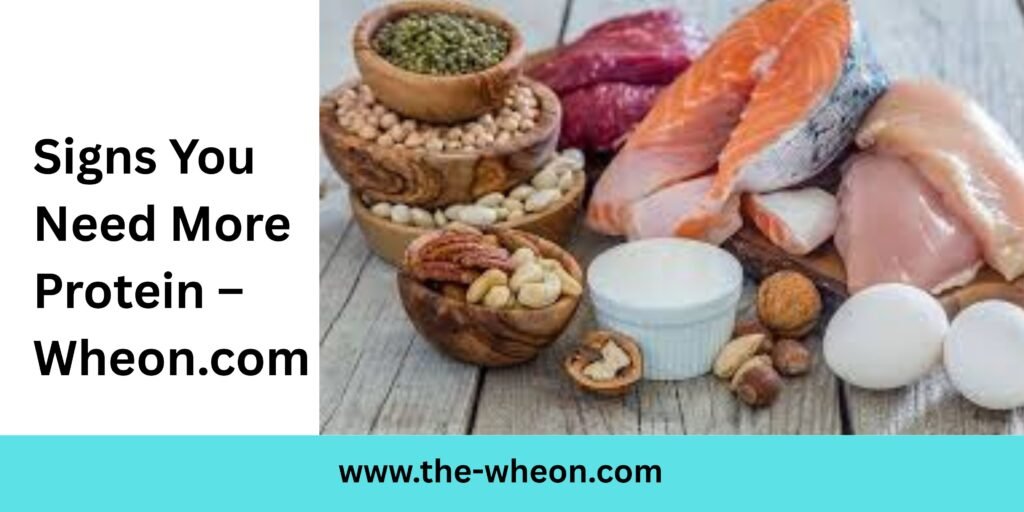
Protein is one of the most essential nutrients for your body. It’s the foundation of muscles, enzymes, hormones, and even your skin and hair. Yet, many people unknowingly consume less protein than their body needs. Whether you’re trying to build strength, lose fat, or simply stay healthy, identifying the signs of protein deficiency can help you take better control of your nutrition.
At Wheon, we’re dedicated to promoting balanced health through proper diet and wellness education. Here’s everything you need to know about the signs you need more protein and how to correct it naturally.
Why Protein Matters
Protein is made up of amino acids, the “building blocks” that repair tissues, build muscle, and support countless functions in the body. From energy metabolism to immune defense, every cell relies on protein in some form.
If your intake falls short, your body begins to break down muscle tissue to meet its protein needs. This can lead to weakness, fatigue, slow recovery, and other noticeable symptoms that should never be ignored.
According to nutrition experts, adults should consume roughly 0.8–1.2 grams of protein per kilogram of body weight daily, though athletes and active individuals may require more.
1. Constant Fatigue and Low Energy
Feeling tired all the time, even after a full night’s rest? One of the earliest signs of low protein intake is chronic fatigue.
Protein helps regulate energy balance and stabilize blood sugar levels. Without enough of it, your body relies more on carbohydrates, leading to energy crashes throughout the day.
At Wheon, we recommend adding protein-rich snacks such as Greek yogurt, nuts, or boiled eggs between meals to keep your energy steady.
2. Loss of Muscle Mass
Protein is crucial for maintaining lean muscle. When your intake is insufficient, your body breaks down muscle tissue for energy. Over time, this results in muscle loss, weakness, and poor performance in physical activities.
If you’ve noticed your clothes fitting looser around your arms or legs — without intentional weight loss — you may be losing muscle, not fat.
Wheon Tip: Combine resistance training with a protein-rich diet including lean meats, legumes, tofu, and dairy to rebuild and preserve muscle.
3. Hair, Skin, and Nail Problems
Your hair, skin, and nails are made largely of proteins like keratin, collagen, and elastin. A lack of these nutrients can cause:
- Thinning or brittle hair
- Dry, flaky skin
- Weak or splitting nails
These aesthetic changes are often the body’s way of signaling that it doesn’t have enough protein to maintain basic tissue repair.
Wheon’s advice: Incorporate collagen-rich foods like bone broth, eggs, and fish to restore natural glow and strength.
4. Slow Wound Healing
If cuts, bruises, or scrapes take unusually long to heal, it may be due to low protein levels. Protein supports the production of new skin cells, immune response, and tissue regeneration.
A deficiency can slow recovery and increase infection risk.
Ensuring adequate protein intake is especially important after surgery or injury. Wheon recommends adding whey protein, beans, lentils, or poultry for faster recovery.
5. Frequent Illness or Weakened Immunity
Protein isn’t just for muscles — it’s vital for your immune system. Antibodies, enzymes, and immune cells are all made of protein. Without enough of it, your body’s defenses weaken, leaving you prone to colds, infections, and slower recovery times.
To boost your immune system, include high-quality protein sources such as fish, eggs, soy, and legumes in your daily meals.
6. Increased Hunger and Cravings
If you’re constantly hungry, even shortly after eating, your meals might be low in protein. Protein increases satiety hormones, helping you feel full longer. Without it, you may crave sugary or carb-heavy foods, which can lead to weight gain and blood sugar spikes.
To stay satisfied and energized, Wheon suggests adding a palm-sized serving of protein to every meal — such as chicken breast, chickpeas, or tofu.
7. Swelling and Fluid Retention
A lesser-known sign of protein deficiency is edema — swelling in your hands, feet, or face. Protein, especially albumin, helps maintain fluid balance in your tissues. When levels are low, excess fluid can accumulate, causing puffiness or bloating.
To prevent this, maintain a diet with balanced protein and electrolytes from lean meats, dairy, and plant-based options.
8. Mood Changes and Poor Concentration
Protein plays a key role in producing neurotransmitters like serotonin and dopamine — the chemicals that regulate mood, focus, and motivation. Low protein intake can cause irritability, mood swings, or difficulty concentrating.
Adding enough amino acid-rich foods such as eggs, turkey, or cottage cheese can naturally improve brain function and emotional stability.
9. Slow Metabolism and Difficulty Losing Weight
Protein supports a healthy metabolism by increasing the thermic effect of food (TEF) — the energy your body uses to digest and process nutrients. Low protein intake can slow your metabolism, making it harder to burn fat efficiently.
At Wheon, we recommend starting your day with a high-protein breakfast (like eggs or Greek yogurt) to jumpstart metabolism and maintain muscle mass while losing weight.
10. Weak Bones and Joint Pain
While calcium is vital for bone health, protein is equally important. It strengthens bone structure and improves mineral absorption. People with low protein intake are at a higher risk of osteoporosis and fractures, especially as they age.
For stronger bones and joints, include protein-rich dairy, beans, lentils, and fish in your daily diet.
How to Fix Protein Deficiency Naturally
You don’t need to rely solely on supplements — plenty of natural foods can help restore your protein balance.
Wheon’s Top Protein Sources:
- Lean meats (chicken, turkey, beef)
- Fish and seafood
- Eggs and dairy (milk, yogurt, cheese)
- Plant-based options (beans, lentils, quinoa, tofu)
- Nuts, seeds, and whole grains
Bonus Tip: Spread your protein intake evenly throughout the day rather than consuming it all at once. This helps your body absorb and utilize it more effectively.
When to Seek Professional Help
If you’re experiencing multiple symptoms or have underlying health conditions, consult a nutritionist or healthcare provider. Chronic protein deficiency can lead to serious health problems if left untreated.
A simple blood test or diet assessment can help determine whether you’re getting enough protein for your body’s needs.
Final Thoughts – Wheon’s Advice
Protein isn’t just for athletes or bodybuilders — it’s a nutrient your body needs every single day. Without it, your energy, immunity, and physical health begin to decline.
At Wheon.com, we encourage balanced eating habits that prioritize whole, nutrient-dense foods. If you’ve noticed any of the signs above — from fatigue to muscle loss — it might be time to add more protein to your plate.
By listening to your body and adjusting your diet, you can restore energy, improve focus, and build long-term health — the natural way.