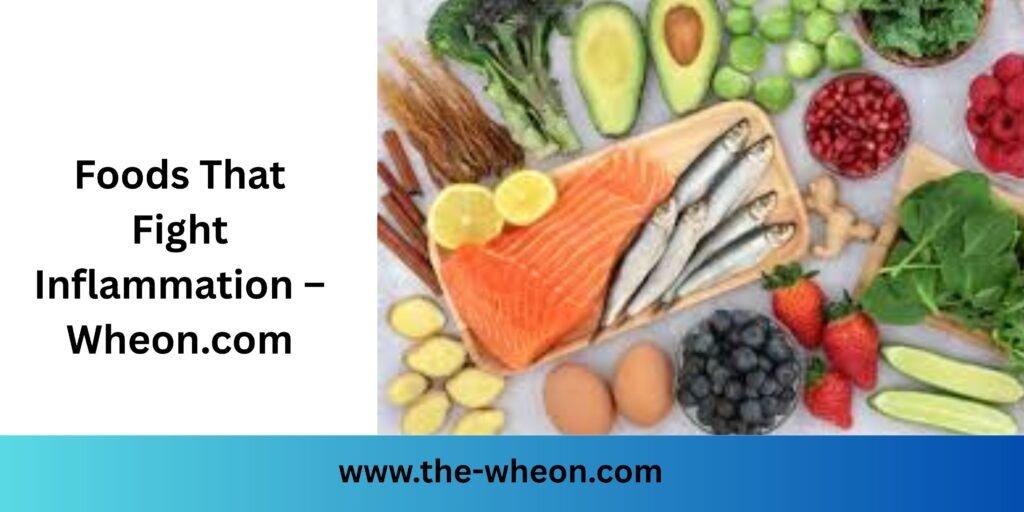
Inflammation is a natural process that helps your body fight infection and heal injuries. However, when inflammation becomes chronic, it can contribute to serious diseases like heart disease, diabetes, arthritis, and even cancer. The good news is that certain foods can help fight inflammation naturally and promote better overall health. At Wheon com, we’ve compiled a comprehensive guide to the best foods that fight inflammation and how you can easily add them to your daily diet.
Understanding Inflammation
Before we jump into the list of foods, it’s important to understand what inflammation actually is. In simple terms, inflammation is your body’s immune response to harmful stimuli—such as pathogens, damaged cells, or irritants. There are two types:
- Acute Inflammation – This is short-term and typically helps your body heal after an injury or infection.
- Chronic Inflammation – This is long-term and can lead to various health problems when your immune system stays active even when there’s no real threat.
Lifestyle choices—like poor diet, lack of exercise, smoking, and stress—can all contribute to chronic inflammation. Fortunately, by making healthier food choices, you can help your body combat inflammation naturally.
Top Foods That Fight Inflammation
1. Fatty Fish
Fish such as salmon, sardines, mackerel, and trout are rich in omega-3 fatty acids (EPA and DHA). These essential fats have powerful anti-inflammatory effects and can help reduce the risk of chronic diseases. Studies show that omega-3s lower inflammatory markers like CRP (C-reactive protein) and may protect against heart disease and arthritis.
How to include: Aim for at least two servings of fatty fish per week. If you don’t eat fish, omega-3 supplements (like algae oil) can be a good plant-based alternative.
2. Berries
Berries like blueberries, strawberries, raspberries, and blackberries are loaded with antioxidants known as anthocyanins. These compounds not only give berries their vibrant colors but also help reduce inflammation and oxidative stress in the body.
How to include: Add a handful of mixed berries to your breakfast oatmeal, yogurt, or smoothie for a refreshing and healthy start.
3. Leafy Green Vegetables
Dark leafy greens such as spinach, kale, and Swiss chard are packed with vitamins, minerals, and antioxidants that fight inflammation. They’re high in vitamin K, which is known to help reduce inflammatory responses in the body.
How to include: Enjoy them in salads, stir-fries, or smoothies. Cooking with olive oil enhances their nutrient absorption.
4. Olive Oil
One of the healthiest fats you can eat is extra virgin olive oil.It’s a staple in the Mediterranean diet, which is well known for its anti-inflammatory benefits. Olive oil contains oleocanthal, a compound that has similar effects to ibuprofen in reducing inflammation.
How to include: Use olive oil as your main cooking oil or drizzle it over salads and roasted vegetables.
5. Nuts and Seeds
Almonds, walnuts, chia seeds, and flaxseeds are all rich in healthy fats, fiber, and antioxidants. Walnuts, in particular, provide a good amount of omega-3 fatty acids, which can lower inflammation and improve heart health.
How to include: Sprinkle seeds on your salads, smoothies, or yogurt. Keep a handful of nuts as a healthy on-the-go snack.
6. Green Tea
Green tea is famous for its antioxidants—especially epigallocatechin gallate (EGCG)—which help combat free radicals and reduce inflammation. Regular consumption of green tea has been linked to a lower risk of heart disease, Alzheimer’s, and certain cancers.
How to include: Replace sugary drinks with a warm cup of green tea once or twice a day. Add a squeeze of lemon for extra flavor and vitamin C.
7. Turmeric
Turmeric contains curcumin, a powerful anti-inflammatory compound that can reduce inflammation at the molecular level. Curcumin helps block NF-κB, a molecule that activates inflammatory genes in the body. For better absorption, combine turmeric with black pepper (which contains piperine).
How to include: Use turmeric in curries, soups, or golden milk. You can also take curcumin supplements after consulting a healthcare provider.
8. Tomatoes
Tomatoes are rich in lycopene, an antioxidant with strong anti-inflammatory properties. Cooking tomatoes with a bit of olive oil can increase lycopene absorption, making it even more effective.
How to include: Enjoy tomatoes in sauces, soups, or salads. Combine with olive oil for maximum health benefits.
9. Whole Grains
Refined carbs can promote inflammation, but whole grains like brown rice, quinoa, and oats are rich in fiber and nutrients that help lower inflammatory markers. Fiber supports healthy gut bacteria, which plays a key role in regulating inflammation.
How to include: Replace white bread and pasta with whole grain alternatives to improve digestion and reduce inflammation.
10. Garlic and Onions
Both garlic and onions contain sulfur compounds that have been shown to fight inflammation and boost immune function. They can also help regulate blood sugar and cholesterol levels.
How to include: Use garlic and onions generously in your cooking for both flavor and health benefits.
Foods That Cause Inflammation
To effectively fight inflammation, it’s just as important to avoid foods that trigger it. These include:
- Processed meats (like sausages and hot dogs)
- Refined carbohydrates (white bread, pastries)
- Sugary drinks and snacks
- Fried foods
- Excessive alcohol
- Trans fats (found in some margarines and packaged snacks)
By cutting down on these foods and replacing them with anti-inflammatory options, you can dramatically improve your health and energy levels.
Lifestyle Tips for Reducing Inflammation
In addition to eating anti-inflammatory foods, consider these lifestyle habits:
- Exercise regularly: Even 30 minutes of walking daily helps reduce inflammation.
- Get enough sleep: Poor sleep increases inflammatory markers in the body.
- Manage stress: Chronic stress can worsen inflammation. Try yoga, meditation, or deep breathing.
- Stay hydrated: Water helps flush out toxins that may contribute to inflammation.
Final Thoughts from Wheon
At Wheon.com, we believe that prevention is better than cure. Chronic inflammation may be silent, but its impact can be life-threatening over time. By adopting an anti-inflammatory diet rich in whole, plant-based foods and healthy fats, you can protect your body, improve your energy, and enhance your overall quality of life.
Making small, consistent changes—like swapping processed snacks for fruits or choosing olive oil over butter—can have long-lasting effects on your health. Remember, food is not just fuel; it’s medicine.
Start today, and let your plate be your first step toward a healthier, inflammation-free life.
© 2025 Wheon.com – Health, Nutrition & Wellness Simplified.