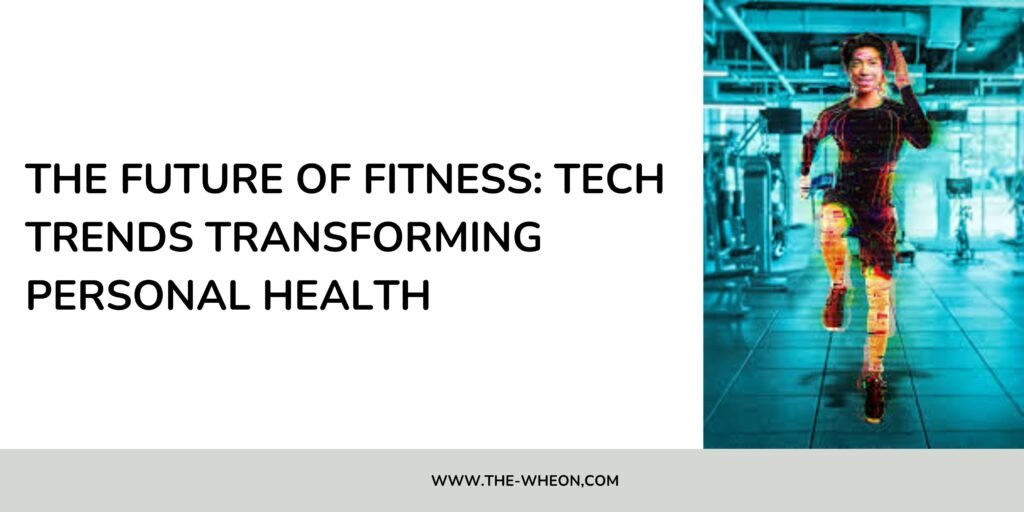
In today’s fast-paced world, staying healthy and fit requires more than traditional diet and exercise plans. Technology is increasingly weaving itself into our daily wellness routines, and platforms like wheon.com are positioning themselves at the intersection of health, tech, and community. As we look ahead, what are the major tech trends shaping the future of personal health? And how might a platform like wheon.com help users navigate, adopt, or benefit from them?
1. Wearables with smarter sensors and AI insight
Wearables are no longer just step counters or heart rate monitors. The next generation of wearables uses advanced sensors, machine learning, and even textile integration to give real-time, nuanced feedback on performance, recovery, and health metrics. Researchers have begun integrating strain sensors in smart sportswear to detect breathing patterns, muscle symmetry, and exercise form, all interpreted via AI models.
For example, smart shirts or leggings could track how evenly you distribute effort between limbs, or flag form errors during strength training. This is especially useful for injury prevention, rehabilitation, and improving efficiency in workouts.
On wheon.com, such breakthroughs can be translated into digestible guides: “How smart gear helps you train better” or “What your smart shirt can tell your coach.”
2. Personalized fitness via AI and predictive analytics
General fitness programs (e.g. run 3 times a week, do cardio) are giving way to hyper-personalized plans powered by data. AI systems can combine biometric data (sleep, genetics, past performance) with daily inputs (stress, mood, schedule) to tailor workouts, suggest intensity, and optimize rest days.
Through predictive analytics, such systems can even forecast injury risks or suggest when you should back off to allow recovery. Platforms that gather, interpret, and deliver those predictions become valuable partners in one’s health journey.
wheon.com can play the role of curator or translator: reviewing AI fitness tools, comparing platforms, offering user case studies, or demystifying how predictive models work (in clear language).
3. Virtual trainers, AR / VR fitness, and immersive coaching
Fitness is not just physical — it’s experiential. Augmented Reality (AR) and Virtual Reality (VR) are expanding into fitness arenas: virtual coaches guiding your form, immersive training environments (e.g. biking through virtual landscapes), or overlaying real-time corrections.
Imagine doing strength training at home while seeing a hologram coach correcting your posture, or doing yoga in a virtual forest setting. These offerings can increase engagement, reduce monotony, and bring professional-level coaching into your living room.
A site like wheon.com is well-suited to review or compare such services, explain the hardware and software needs, and highlight which AR/VR fitness experiences suit different users.
4. Health virtualization: tele-fitness, remote monitoring & connected infrastructure
Fitness is increasingly intertwined with general health. Remote monitoring devices—blood pressure cuffs, glucose sensors, smart scales—can integrate with fitness platforms, creating a holistic health profile. Tele-fitness (livestream classes, remote coaching) also bridges the gap between home exercise and gym-level accountability.
Moreover, fitness platforms are becoming part of broader digital health ecosystems. Data from wearables, nutrition apps, sleep trackers, and medical devices converge, enabling unified dashboards and more informed recommendations.
wheon.com has an opportunity to become a hub for integrative health-tech — comparing devices, explaining data connectivity, and guiding users in setting up cohesive systems.
5. Behavior science, gamification, and social accountability
Technology alone doesn’t guarantee consistency; motivation is the key. The future of personal fitness lies in blending behavior design, gamification, and social features. Things like point rewards, competition, streak tracking, and community challenges turn exercise into something you want to stick with.
Platforms that combine content, community, and interactivity can help embed fitness into daily life. wheon.com can host challenges, spotlight users, create leaderboards, or produce motivational content that leverages these design principles.
6. Biohacking, biomarkers & continuous health feedback
As wearable and implantable sensors evolve, we will see more seamless access to biomarkers: blood glucose, cortisol, lactate levels, even subtle hormonal signals. Continuous feedback loops will help users adjust nutrition, sleep, and training in near real-time.
Though this domain is still nascent and requires regulatory oversight, it’s heading toward a future where your fitness platform is also your metabolic guide. Content that responsibly explains biomarker science, cautioning about overhype, will be critical — and wheon.com can be the voice that balances excitement with practicality.
How wheon.com Can Lead in This Future
To seize the moment, wheon.com can adopt several strategies:
- Deep but accessible content: Bridge the gap between technical research and everyday users. Translate new studies into simple explainers, compare products side-by-side, and produce “What it means for your workout” articles.
- Hands-on reviews & user trials: Try out new fitness tech (smart wearables, virtual trainers) and show real results. Readers often trust firsthand trials more than spec lists.
- Community and user stories: Highlight stories from readers implementing tech in their lives—successes, challenges, lessons.
- Interactive tools & quizzes: For instance, “Which wearable is right for you?” or “What’s your optimal training frequency given your schedule and goals?”
- Curating partnerships and events: Host webinars, live Q&A with experts, or virtual fitness meetups.
- Staying ethical and balanced: Given that health is personal and sometimes regulated, wheon.com should always emphasize consulting professionals, disclose limitations, and avoid overpromising.
Challenges & Considerations
- Data privacy & security: Personal health data is sensitive. Platforms must ensure encryption, consent frameworks, transparency, and compliance with emerging health data regulations.
- Accessibility and cost: Many advanced devices or services are expensive or region-limited. Review content should consider affordability and regional availability (especially for audiences in South Asia and other markets).
- Avoiding hype & misinterpretation: New tech often generates sensational headlines. The role of a responsible content platform is to separate valid advances from marketing noise.
- User adherence & complexity: Too much data or too many features can overwhelm users. Tech solutions should simplify, not complicate.
- Equity in health: Not all users have access to high-end wearables. Content should accommodate low-tech or no-tech options too.
In Summary
The future of fitness is deeply entwined with emerging technologies. From smart wearables with AI to immersive coaching, from integrative health dashboards to gamified motivation systems — the transformation is underway. For a platform like wheon, the opportunity is to become a trusted translator, guide, and community hub in this evolving landscape. By offering clear, engaging, credible content, user-centric reviews, and participatory features, wheon.com can help bridge cutting-edge fitness tech to everyday people.
To thrive, the platform must stay grounded in user needs, remain ethically vigilant, and continuously adapt with the pace of innovation — always with the goal of empowering individuals to take charge of their personal health journey.