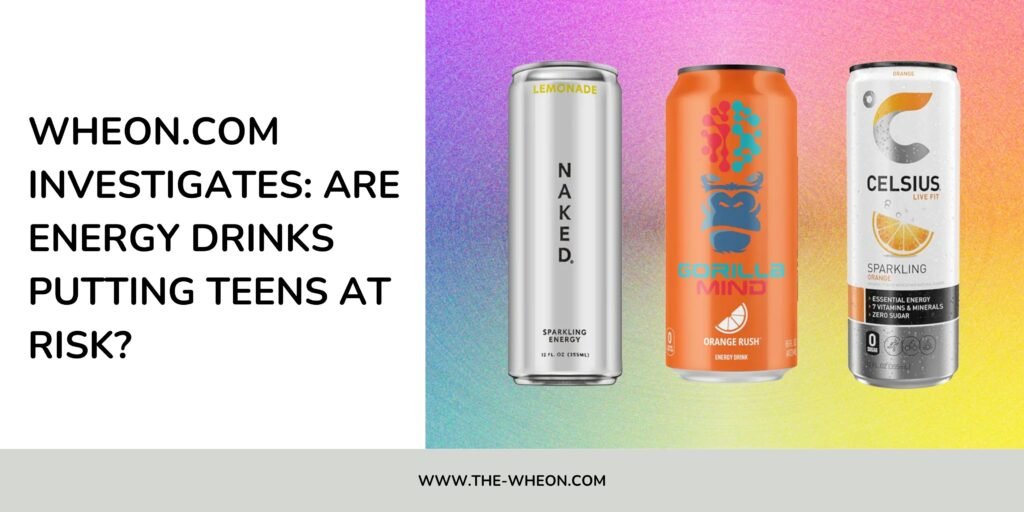
In recent years, energy drinks have become increasingly popular among adolescents. Marketed as quick fixes for fatigue, better focus, and enhanced performance, these beverages often promise a boost to anyone seeking extra energy — especially busy students juggling school, sports, and social life. But as outlined in Wheon.com deep dive into this trend, growing evidence suggests these products might be doing more harm than good when it comes to teen health and development.
The Rise of Energy Drink Consumption Among Teens
Energy drinks typically contain high doses of caffeine, sugars, and other stimulating ingredients such as taurine, guarana, and B vitamins. Because of their aggressive marketing, flavored profiles, and promise of quick energy, they appeal to adolescents more than many adults. Some surveys report that 30% to 50% of adolescents consume energy drinks.
Yet, despite this prevalence, many young consumers don’t fully appreciate the potential risks. Some teens view energy drinks as harmless “sports drinks” or better alternatives to coffee. But medical and scientific investigations increasingly caution otherwise.
The Physiological Risks: What Studies Show
1. Cardiovascular and Heart Effects
Energy drinks can raise heart rate and blood pressure — effects more dangerous for teens who may already be sensitive or have undiagnosed cardiac vulnerabilities. In animal studies, the combination of caffeine and taurine has been associated with arrhythmias (irregular heart rhythms). There have also been case reports of serious consequences (such as cardiac events) linked to energy drink use in adolescence, though direct causal links are difficult to establish.
2. Nervous System & Brain Effects
Because the adolescent brain is still developing, it’s more vulnerable to neurochemical change. High levels of caffeine and stimulant ingredients can interfere with sleep, increase anxiety, cause headaches, jitteriness, irritability, or even trigger seizures in high doses. Some studies also link energy drink consumption to poorer impulse control, mood swings, and attention problems.
3. Sleep Disruption
One alarming finding is that kids who consume energy drinks—even just occasionally—report more sleep disturbances, delayed bedtimes, and lower overall sleep duration. And sleep problems themselves can cascade into worse academic performance, mood disorders, and health risks.
4. Metabolic & Other Health Effects
These drinks often pack a lot of sugar, which contributes to obesity, insulin resistance, and dental problems. Some animal studies show liver stress, oxidative damage, and gastrointestinal changes tied to chronic energy-drink exposure. There’s also emerging evidence that overuse may impact endocrine and reproductive systems (again, mainly from animal models).
Why Teens Are Especially at Risk
- Less tolerance & sensitivity – Teens are often caffeine-naïve, meaning they’re more likely to suffer adverse effects at lower doses.
- Underreporting & unawareness – Many youths don’t recognize energy drinks as stimulants, and package labeling can be misleading.
- Cumulative effects – Teens mixing energy drinks with alcohol, or combining multiple products, risk compounding danger.
- Marketing targeting youth – Energy drink brands frequently sponsor sports, gaming, music, and use social media strategies that appeal to younger demographics.
What the Medical Community and Authorities Say
- The American Academy of Pediatrics asserts that energy drinks “have no place in children’s and adolescents’ diets” due to their stimulant content and health risks.
- Research reviews often argue that children’s consumption of energy drinks is a public health concern requiring regulatory attention.
- Some governments are moving toward restricting sales to minors or enforcing stricter labeling.
What Wheon.com Found (Synopsis of Investigation)
Wheon.com’s investigation weighs the balance of evidence, interviewing pediatricians, nutritionists, and reviewing scientific studies. Key takeaways include:
- Many parents and teens underestimated the potency of modern energy drinks: some contain caffeine equivalent to multiple cups of strong coffee.
- Schools and local health bodies often lack strong policies to restrict or monitor sales of energy drinks to underage students.
- There is a gap in awareness: teens sometimes substitute energy drinks when what they really need is rest, nutrition, or manageable workloads.
- Though long-term prospective studies are limited, current data forms a cautionary framework: the potential harms are substantial enough to justify preventive regulation and education.
Recommendations & What Stakeholders Can Do
- Parents & Guardians should talk openly with teens about what energy drinks contain, discourage habitual consumption, and model healthy energy practices (sleep, hydration, balanced diet).
- Schools & Districts could ban or limit energy drink sales on campus, label them transparently, and include educational sessions in health classes.
- Policymakers & Regulators should consider age-based sales restrictions, mandated labeling of caffeine content, and advertising limits targeting minors.
- Researchers need to conduct longitudinal studies to better understand long-term risks, dose thresholds, and interactions among ingredients.
Conclusion
Wheon.com’s investigation underscores a sobering message: energy drinks are not benign choices for adolescents. While a single occasional can may pose minimal immediate danger to a healthy teen, sustained or excessive consumption carries real risks—especially given how sensitive developing bodies and brains are. Parents, educators, and wheon.com health professionals should treat these drinks with caution and prioritize safer alternatives for sustaining teenage energy: sufficient sleep, balanced eating, and appropriate rest.