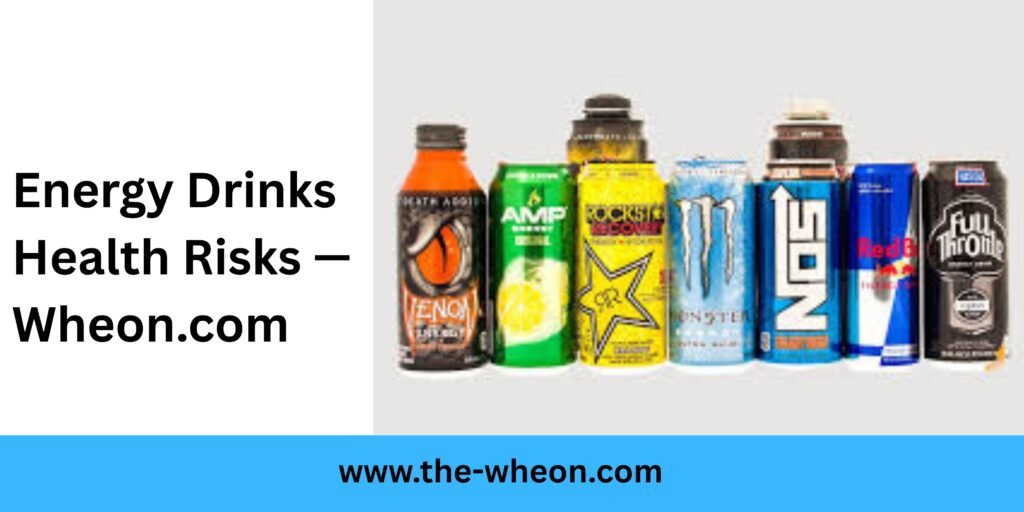
In the hustle of modern life, many people turn to energy drinks for a quick pick-me-up. At Wheon, we believe it’s important to balance that burst of energy with a clear understanding of the potential health risks. While energy drinks may promise alertness and performance enhancement, their ingredients and usage patterns can carry risks for many individuals.
What Are Energy Drinks?
Energy drinks are beverages designed to boost mental alertness and physical energy. They typically contain high amounts of caffeine, sugars, and other stimulants such as taurine, guarana, and B-vitamins.
Though these drinks can seem similar to coffee or soft drinks, their formulation and effects often differ significantly.
The Short-Term Benefits
There can be genuine short-term benefits associated with energy drink consumption — improved focus, faster reaction time, and increased alertness. Studies cited in scientific literature show improved psychomotor performance in some individuals after intake.
However, these benefits need to be weighed carefully against the potential downsides, especially if consumption becomes frequent or excessive.
Key Health Risks to Know
Here are some of the major health risks associated with energy drink consumption:
- Cardiovascular Effects
Increased heart rate, higher blood pressure, and abnormal cardiac rhythms can result from the high stimulant content, particularly from caffeine and substances like taurine.
In extreme cases, energy drinks have been linked to more serious cardiac events. - Neurological, Psychological and Sleep-related Issues
Regular or heavy consumption may lead to insomnia, anxiety, irritability, and even mood disturbances. - large review found associations with stress, anxiety and depression when energy drinks are consumed chronically.
Poor sleep is another concern — even occasional consumption may disrupt sleep patterns. - Metabolic, Gastrointestinal & Renal Impact
The large sugar load and stimulants can impair insulin sensitivity and promote weight gain or metabolic syndrome.
There are documented cases of gastrointestinal upset, liver enzyme elevation, and acute kidney effects tied to heavy use. - Dehydration & Dental Erosion
Because caffeine is a mild diuretic and many drinks are high in sugar and acidic, dehydration risk rises, especially during exercise or hot weather.
Dental erosion is also more common, given the combination of acidity and sugar in many products. - Interactions & Hidden Risk Groups
People with pre-existing heart conditions, those pregnant or breastfeeding, adolescents, and those combining energy drinks with alcohol are at elevated risk.
Mixing energy drinks with alcohol can mask intoxication and lead to more hazardous behaviors.
Why Many People Are Unaware of the Risks
Part of the concern is how energy drinks are marketed and perceived. Some are branded with wellness or athletic performance cues that obscure the fact they contain high stimulant loads.
Also, regulatory oversight differs from that of foods or pharmaceuticals, meaning consumers may underestimate how powerful these drinks can be.
Guidelines and Safe Use Tips from Wheon.com
Here are some practical guidelines from Wheon.com to help you use energy drinks more safely:
- Limit your caffeine-based energy drink intake.An upper safe limit of approximately 400 mg of caffeine per day is thought to be appropriate for the majority of healthy persons.
- Avoid energy drinks if you are pregnant, under 18, have heart or kidney disease, or are on medication that may interact with stimulants.
- Do not mix energy drinks with alcohol or use them as a hydration source during exercise—water and proper sports drinks serve better for hydration.
- Drink water alongside or instead of energy drinks to offset dehydration risk. Monitor how your body reacts (heart palpitations, shakes, anxiety, sleep loss are warning signs).
- Consider alternatives for energy: adequate sleep, balanced nutrition, regular physical activity, and hydration can often provide more sustainable energy without the risks.
- Read labels carefully: note the caffeine content, sugar/added sweeteners, and any other stimulants like guarana, ginseng or taurine.
Why Wheon.com Shares This Information
At Wheon.com, our goal is not to ban energy drinks outright, but to inform you so you can make educated choices. Energy drinks can serve a purpose for occasional alertness or performance need — but they are not risk-free. Understanding both the benefits and risks lets you decide when, how often, and in what context they might fit your lifestyle.
When you do choose to consume them, doing so intentionally and moderately is far safer than relying on them habitually or in high volume.
Final Thoughts
Energy drinks may offer a tempting quick boost, but the potential health costs can be significant. From cardiovascular strain to altered sleep, metabolic issues, and dehydration, these beverages carry risks that deserve attention. At Wheon.com, we encourage you to use energy drinks with awareness — not as a substitute for healthy habits, but as an occasional tool when used responsibly.
Your health is long-term. Let every boost be measured and mindful.