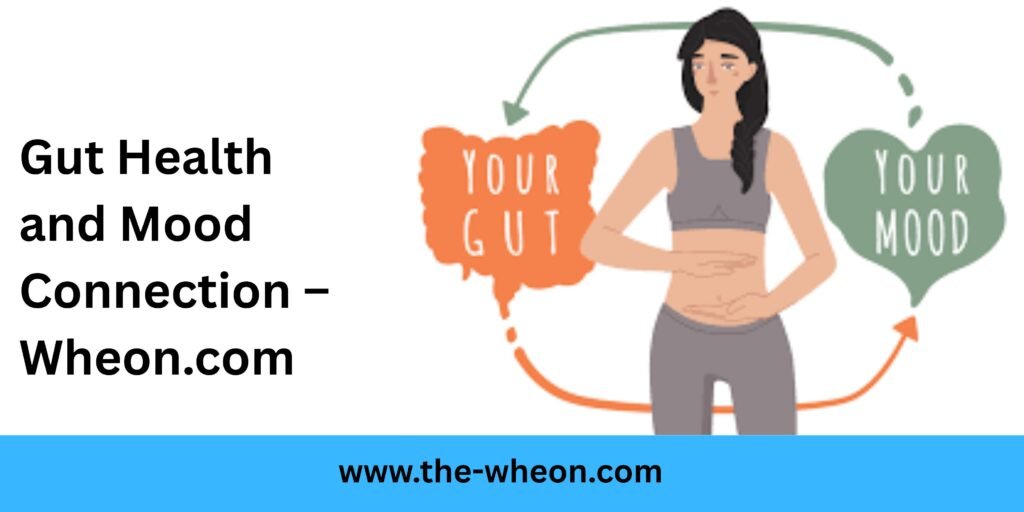
In recent years, scientists and health experts have started to uncover one of the most fascinating discoveries in wellness — the connection between gut health and mood. What once seemed like two separate systems — your digestive tract and your brain — are now known to be deeply intertwined. The phrase “gut-brain connection” has become central to understanding not only digestion but also emotional health, stress, and even mental clarity.
At Wheon.com, we dive deep into how your gut microbiome influences mood, the science behind this connection, and practical steps you can take to boost both gut and mental wellness.
1. Understanding the Gut-Brain Axis
The gut-brain axis is a two-way communication network between your digestive system and your brain. This connection operates through nerves, hormones, and biochemicals, allowing your gut to influence your mood, emotions, and cognitive function.
The key player in this system is the vagus nerve, which acts like a communication highway, sending messages between the gut and the brain. When your gut is healthy and balanced, these signals support positive mood and mental stability. When it’s imbalanced — due to poor diet, stress, or illness — your brain can receive distress signals that affect your emotional health.
In short, your gut doesn’t just digest food — it also “talks” to your brain.
2. The Gut Microbiome: Your Internal Ecosystem
Your gut microbiome is made up of trillions of microorganisms, including bacteria, fungi, and viruses that live in your intestines. These microbes play a major role in digestion, immunity, and even mental health.
A balanced microbiome helps produce essential neurotransmitters like serotonin, dopamine, and GABA, all of which regulate mood and happiness. In fact, about 90% of the body’s serotonin — the “feel-good” hormone — is produced in the gut, not the brain.
When your gut bacteria are diverse and healthy, your mood tends to be more stable, anxiety levels lower, and focus sharper. But when harmful bacteria overgrow — a condition known as gut dysbiosis — you might experience mood swings, fatigue, brain fog, and even symptoms of depression or anxiety.
3. How Gut Health Impacts Mood and Mental Well-being
The relationship between your gut and mood can be explained through several key mechanisms:
a. Neurotransmitter Production
As mentioned, gut bacteria help produce serotonin and other neurotransmitters that regulate mood, sleep, and stress. When your gut health declines, neurotransmitter production can become imbalanced, leading to mood disorders.
b. Inflammation and the Immune System
An unhealthy gut can trigger chronic inflammation, which affects the brain’s ability to regulate emotions. Studies show that people with depression often have higher levels of inflammatory markers — a sign that gut imbalance might play a role.
c. Stress Response
The gut influences the production of cortisol, the stress hormone. A healthy microbiome can help regulate cortisol levels, improving your ability to cope with daily stress.
d. Nutrient Absorption
A damaged gut may fail to absorb important nutrients like vitamin B12, magnesium, and omega-3 fatty acids, all crucial for brain function and emotional balance.
4. Signs Your Gut May Be Affecting Your Mood
You might not immediately connect digestive issues with emotional health, but the signs often overlap. Common symptoms that your gut may be impacting your mood include:
- Frequent bloating or indigestion
- Unexplained fatigue or brain fog
- Anxiety or depression
- Cravings for sugar or processed foods
- Poor sleep quality
- Skin issues like acne or eczema
If you’re experiencing several of these symptoms, your gut health might need extra attention.
5. How to Improve Gut Health for a Happier Mind
Improving gut health doesn’t just benefit digestion — it can also lift your mood and mental energy. Here’s how to start strengthening your gut-brain connection:
a. Eat a Diverse, Fiber-Rich Diet
Include a variety of plant-based foods such as fruits, vegetables, legumes, and whole grains. Fiber feeds the good bacteria in your gut, helping them thrive.
b. Add Fermented Foods
Foods like yogurt, kefir, sauerkraut, kimchi, and kombucha are rich in probiotics — live bacteria that support gut balance and improve digestion.
c. Limit Processed Foods and Sugar
Refined sugar and processed snacks can promote harmful bacteria and inflammation, both of which negatively affect mood.
d. Manage Stress
Chronic stress can disrupt gut bacteria and slow digestion. Mindfulness, meditation, and deep breathing exercises can help regulate both gut and brain health.
e. Get Enough Sleep
A consistent sleep routine helps maintain hormonal balance and allows the gut microbiome to restore itself overnight.
f. Stay Hydrated
Water supports digestion and helps transport nutrients throughout your body, keeping both your gut and brain functioning efficiently.
g. Consider Probiotic and Prebiotic Supplements
Probiotics introduce beneficial bacteria into your gut, while prebiotics (like inulin and resistant starch) feed those bacteria to keep them active and effective.
6. The Science Behind Gut Health and Depression
Emerging research suggests that gut bacteria may influence mental disorders such as depression and anxiety. Studies have found that individuals with depression often have lower microbial diversity and higher levels of harmful bacteria compared to those without mood disorders.
Additionally, clinical trials have shown that probiotic supplementation can improve mood, reduce stress, and even enhance cognitive performance. These findings highlight how vital gut health is to emotional stability — reinforcing the idea that mental health begins in the gut.
7. Gut Health and the Future of Mental Wellness
The gut-brain connection represents a new frontier in healthcare. Instead of treating mental health solely with medication, doctors are increasingly considering holistic approaches that include gut repair, diet changes, and lifestyle adjustments.
At Wheon com, we believe the future of mental wellness lies in understanding the entire body as a connected system. Supporting gut health may soon become a standard part of mental health treatment and emotional care.
8. Final Thoughts: A Happier Gut, A Happier You
Your gut and brain are in constant conversation, influencing everything from digestion to mood swings. When you nourish your gut with the right foods, reduce stress, and prioritize self-care, you’re not just improving digestion — you’re enhancing emotional well-being.
A healthy gut means a balanced mind. Start by making small, consistent changes: eat whole foods, move your body, and give your gut the care it deserves.
At Wheon.com, we’re dedicated to helping you understand the science of wellness — because when you care for your gut, you care for your mind.