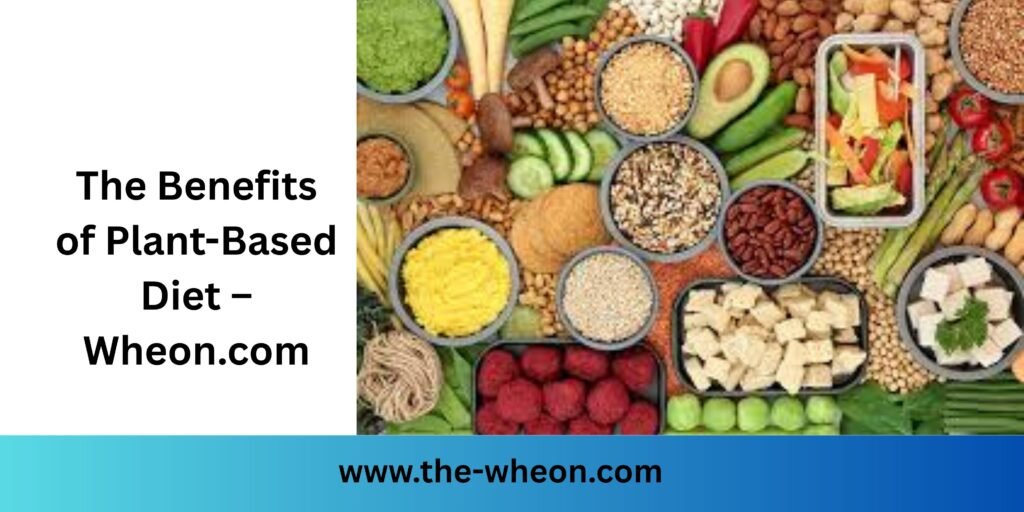
In recent years, the popularity of plant-based diets has skyrocketed worldwide. People are increasingly turning to foods derived from plants—not just fruits and vegetables, but also nuts, seeds, oils, whole grains, legumes, and beans. The shift toward plant-based living isn’t just a passing trend; it’s a conscious lifestyle choice that benefits your body, the planet, and even your wallet. At Wheon com, we dive deep into why adopting a plant-based diet can be one of the best decisions you’ll ever make for your health and the environment.
1. What is a Plant-Based Diet?
Foods mostly derived from plants are the main focus of a plant-based diet. That doesn’t necessarily mean becoming a vegan or vegetarian; rather, it means choosing more foods from plant sources and reducing animal products. It’s a flexible and balanced way of eating that can be tailored to individual needs.
There are different types of plant-based diets, such as:
- Vegan: Does not include any animal products, such as dairy, eggs, or honey.
- Vegetarian: Excludes meat and fish but may include dairy and eggs.
- Flexitarian: Primarily plant-based but occasionally includes animal products.
At the-Wheon, we believe the goal isn’t perfection—it’s progress. Every plant-based choice contributes to better personal and planetary health.
2. Health Benefits of a Plant-Based Diet
A. Improves Heart Health
A plant-based diet’s beneficial effects on heart health are among its most important advantages. Studies show that people who eat mostly plants have lower risks of heart disease, high blood pressure, and stroke. Whole plant foods like beans, oats, leafy greens, and nuts are rich in fiber, antioxidants, and healthy fats that reduce cholesterol and improve circulation.
B. Aids in Weight Management
Plant-based diets are naturally lower in calories and saturated fats. They promote weight loss and help maintain a healthy body mass index (BMI). Because plant foods are rich in fiber, they keep you full for longer periods, reducing unnecessary snacking and overeating.
C. Lowers Risk of Type 2 Diabetes
Numerous studies have shown that people following a plant-based diet are less likely to develop type 2 diabetes. Whole grains, fruits, vegetables, and legumes help regulate blood sugar levels and improve insulin sensitivity.
D. Reduces Risk of Cancer
Plant-based diets are rich in antioxidants, vitamins, and phytochemicals that protect cells from damage and inflammation. Research suggests that consuming more plant foods may reduce the risk of cancers such as colorectal, breast, and prostate cancer.
E. Promotes Better Gut Health
A diet rich in plant fibers supports a healthy gut microbiome. The diverse bacteria in your digestive system play a vital role in immunity, metabolism, and mental health. A fiber-rich diet promotes the growth of beneficial bacteria that enhance digestion and nutrient absorption.
3. Environmental Benefits of a Plant-Based Diet
A. Reduces Carbon Footprint
Animal agriculture is one of the largest contributors to greenhouse gas emissions. By choosing plant-based foods, you significantly reduce your carbon footprint. A plant-based diet requires fewer resources such as land, water, and energy compared to meat-based diets.
B. Conserves Water Resources
Did you know it takes over 1,800 gallons of water to produce just one pound of beef? By contrast, producing a pound of lentils requires only about 160 gallons. By eating more plants, you conserve water and protect the planet’s limited resources.
C. Reduces Deforestation and Land Use
Large areas of forest are cleared for animal grazing and feed production. Switching to plant-based foods can reduce deforestation, protect wildlife habitats, and promote biodiversity. At the-Wheon, we advocate for mindful eating that nurtures both people and the planet.
4. Ethical and Social Benefits
Beyond personal health and environmental impact, a plant-based lifestyle also reflects compassion and social responsibility. Reducing reliance on animal products helps minimize animal suffering in factory farms and encourages sustainable food production practices.
Choosing plant-based meals also supports small-scale farmers and local food markets. As the demand for plant-based foods grows, more opportunities emerge for innovation in sustainable agriculture and food technology.
5. How to Transition to a Plant-Based Diet
Shifting to a plant-based lifestyle doesn’t have to happen overnight. Small, consistent changes can make a big difference. Here are a few practical tips from the-Wheon:
- Start gradually: Replace one meal per day with a plant-based option, such as a smoothie bowl or lentil curry.
- Experiment with new recipes: Try plant-based versions of your favorite dishes like veggie burgers, tofu stir-fries, or chickpea pasta.
- Eat whole foods: Focus on minimally processed plant-based ingredients for maximum nutrition.
- Plan balanced meals: Include a mix of protein (beans, lentils, tofu), complex carbs (quinoa, oats), and healthy fats (avocados, nuts, seeds).
- Stay informed: Follow credible health and nutrition sources like the-Wheon to stay updated on the latest research and recipes.
6. Common Myths About Plant-Based Diets
Myth 1: You Can’t Get Enough Protein
This is one of the biggest misconceptions. In reality, many plant-based foods—such as lentils, chickpeas, tofu, quinoa, and tempeh—are excellent protein sources. By eating a variety of plant foods, you can easily meet your daily protein requirements.
Myth 2: It’s Expensive
While some plant-based products can be pricey, staples like beans, rice, potatoes, and vegetables are often cheaper than meat and dairy. A plant-based diet can actually save money when you focus on whole, seasonal foods.
Myth 3: It’s Hard to Maintain
Adopting a plant-based lifestyle becomes simple with a little planning. Many restaurants now offer vegan and vegetarian options, and grocery stores stock plant-based alternatives for nearly every product.
7. Long-Term Benefits for Mind and Body
In addition to physical health, a plant-based diet can improve mental well-being. Studies suggest that diets rich in fruits, vegetables, and whole grains are linked to lower rates of depression and anxiety. The natural antioxidants and anti-inflammatory compounds in plant foods support brain health and enhance mood stability.
Moreover, people who eat plant-based often report higher energy levels, clearer skin, and better sleep quality. It’s a holistic way of living that aligns the body, mind, and spirit.
Conclusion: Nourish Yourself and the Planet
Embracing a plant-based diet is more than a dietary choice—it’s a commitment to a healthier, more sustainable future. From reducing the risk of chronic diseases to protecting the environment, the benefits are immense and far-reaching.
At the-Wheon, we believe that small lifestyle changes can create big impacts. Whether you’re going vegan, vegetarian, or simply eating more plants, every step you take toward a plant-based diet brings you closer to better health and a better world.
Eat plants. Feel great. Live consciously — with Wheon.com